

The physician-musician in oncology: the neurobiology of music, empathy and resilience against burnout
How active music-making can strengthen emotional regulation, listening skills and resilience among oncology professionals.
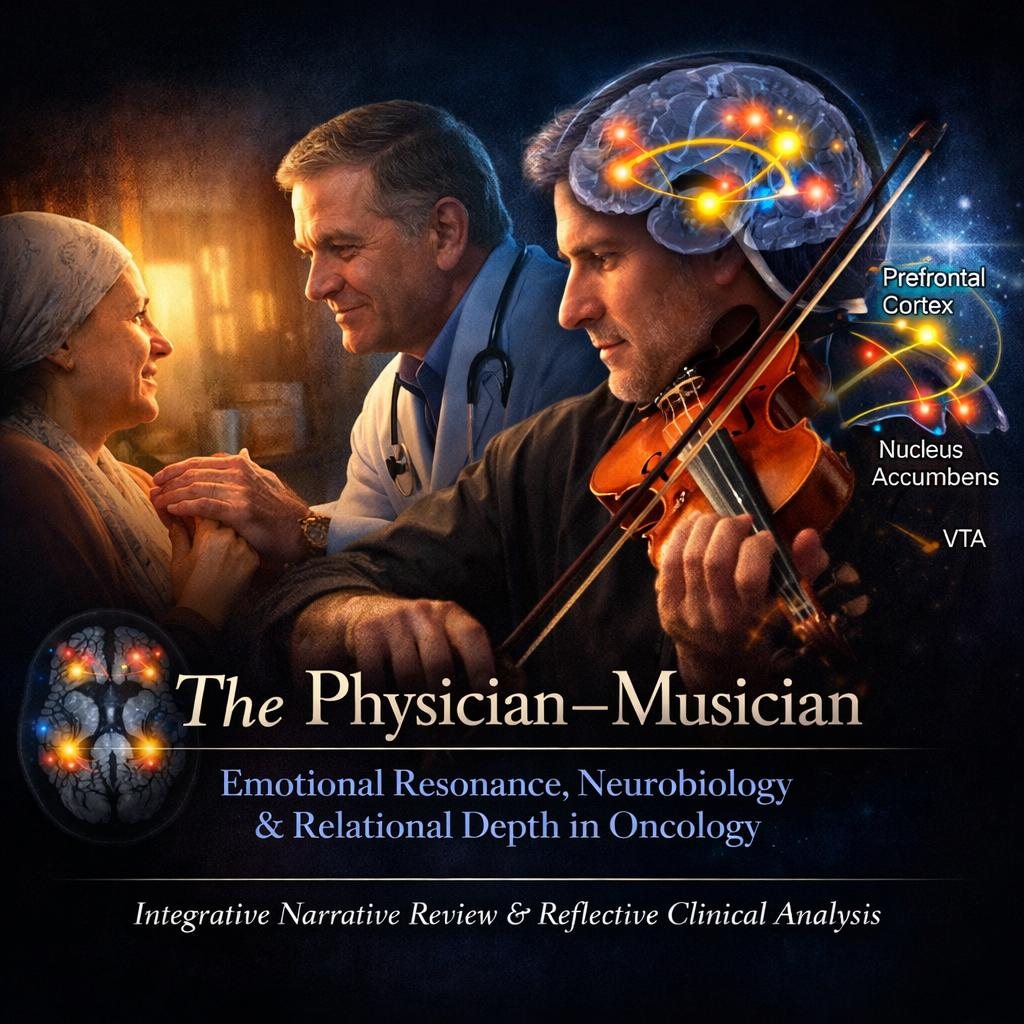
A paper by Dr Adrián Pablo Huñis examines how playing an instrument shapes a doctor’s neurobiology, empathy and emotional regulation, and what it can bring to patient communication and burnout prevention in oncology.

A scientifically grounded hypothesis
Dr Adrián Pablo Huñis raises a question rarely asked in the oncology literature: can a doctor’s active music practice improve the way they support their patients? His work combines a narrative review of the evidence with reflective clinical analysis, and concludes that the answer is yes, with some caveats.

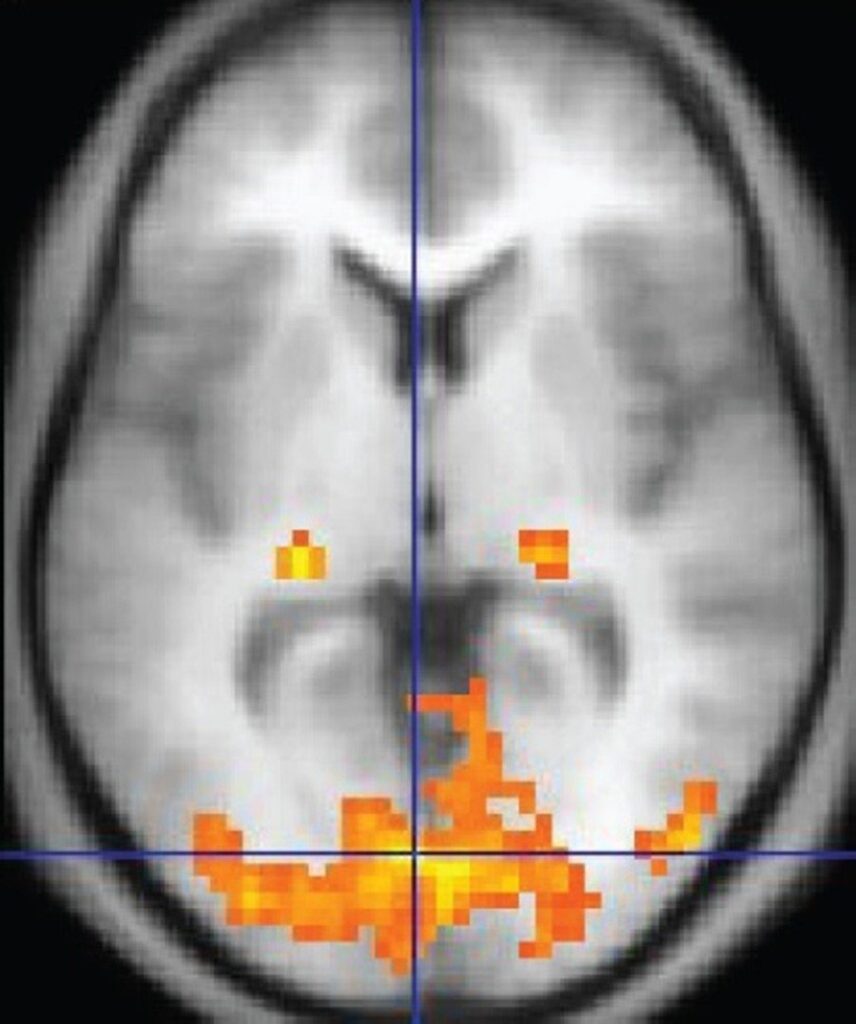
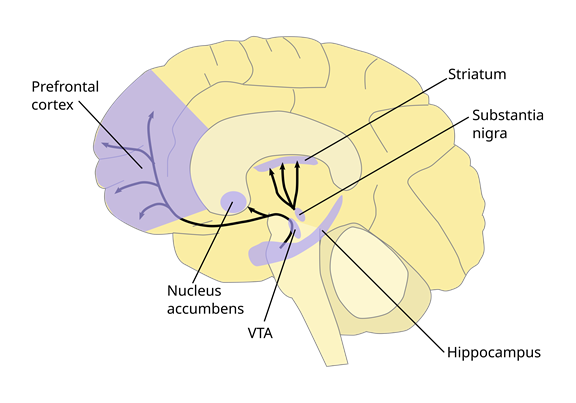
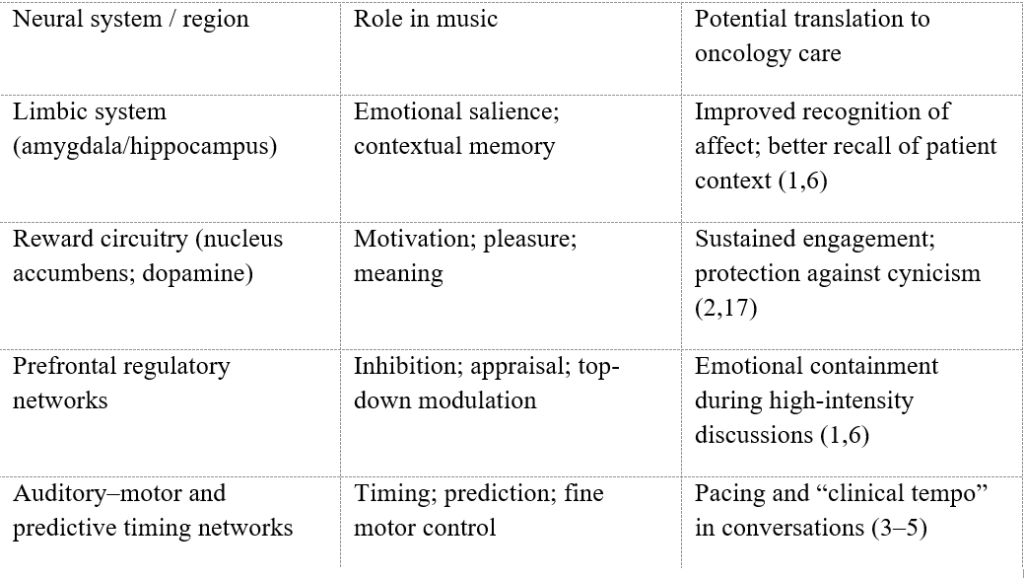
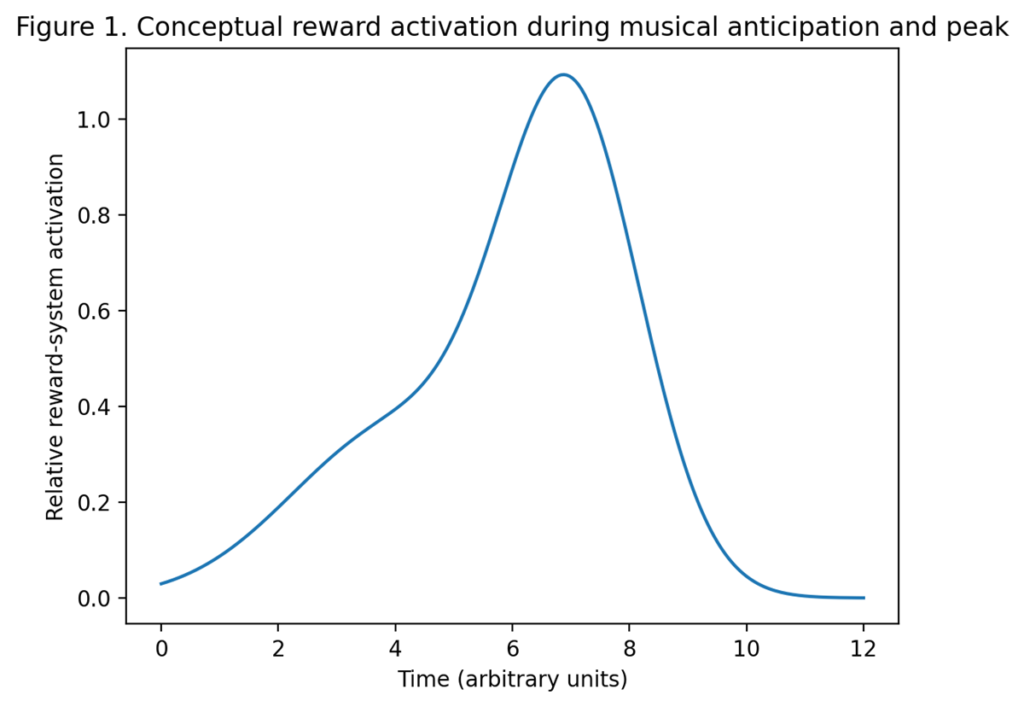
The neuroscience of music shows that playing an instrument activates brain networks linked to reward, emotional regulation and attention. Sustained musical training is also associated with changes in neuroplasticity. According to the author, these are precisely the abilities put to the test during a difficult oncology consultation.
From rehearsal to consultation
The central idea is that musical performance trains skills that transfer to clinical communication:
- Attentive listening: picking up nuances and non-verbal cues.
- Tempo: knowing when to speak, when to simplify and when to pause.
- Emotional containment: being present without becoming overwhelmed or detached.
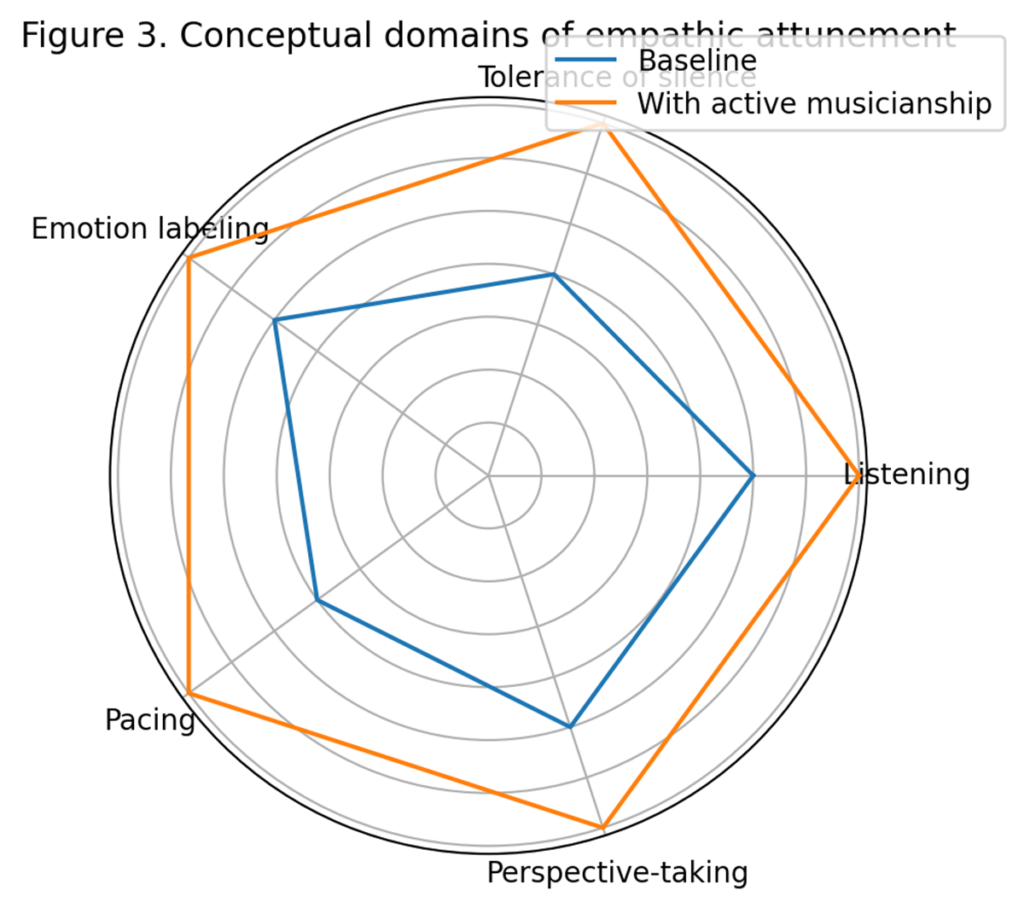
In music, silences carry meaning. In the consulting room, a well-timed pause gives the patient space.
Music and professional burnout
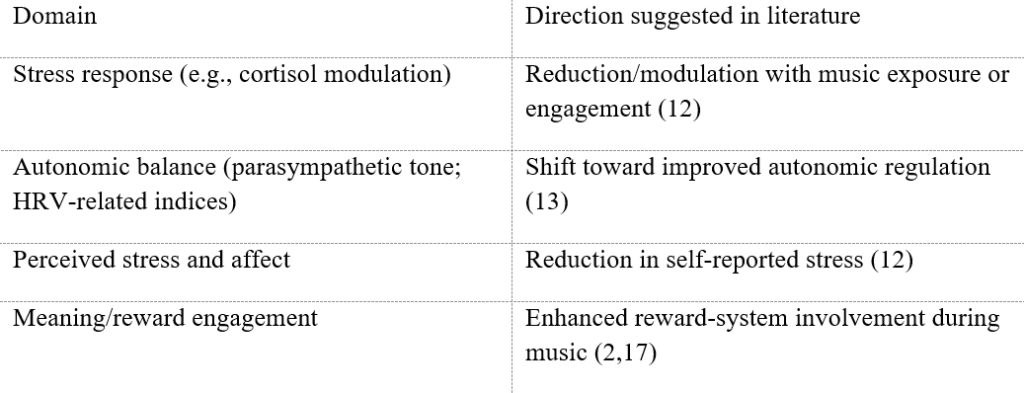
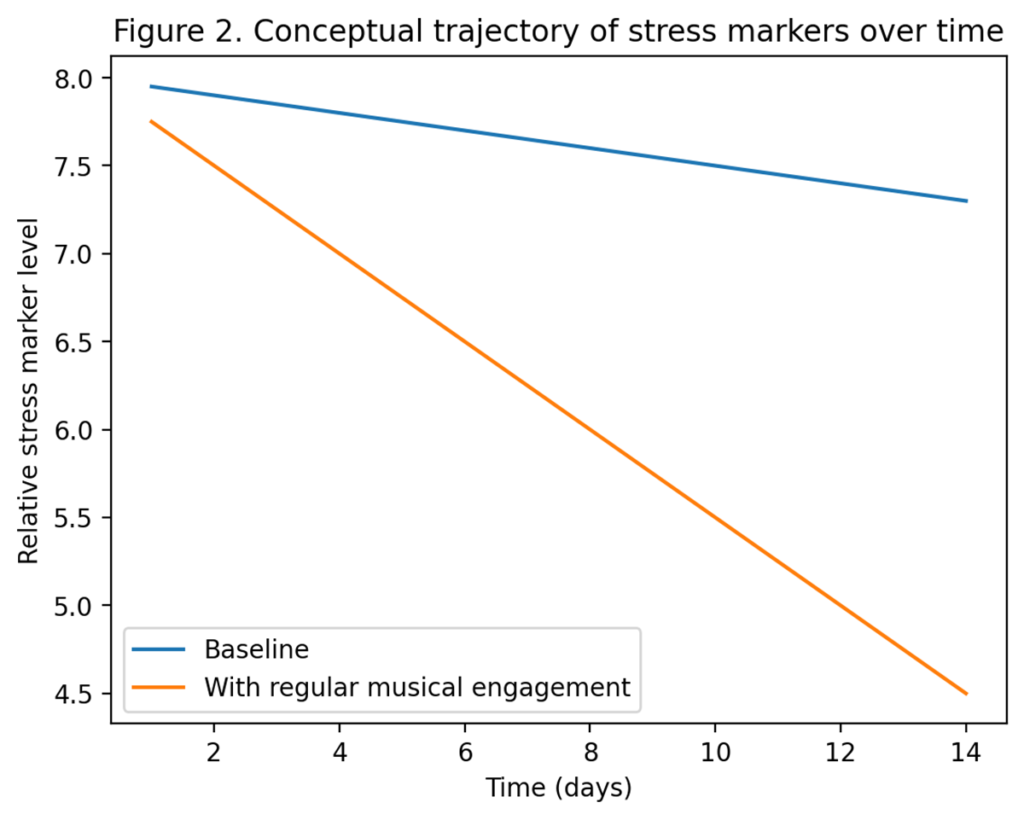
Burnout is a growing concern among oncology professionals. The paper reviews evidence that music modulates the stress response and autonomic balance, and suggests seeing it as a structured way of processing accumulated emotional strain, alongside organisational measures.
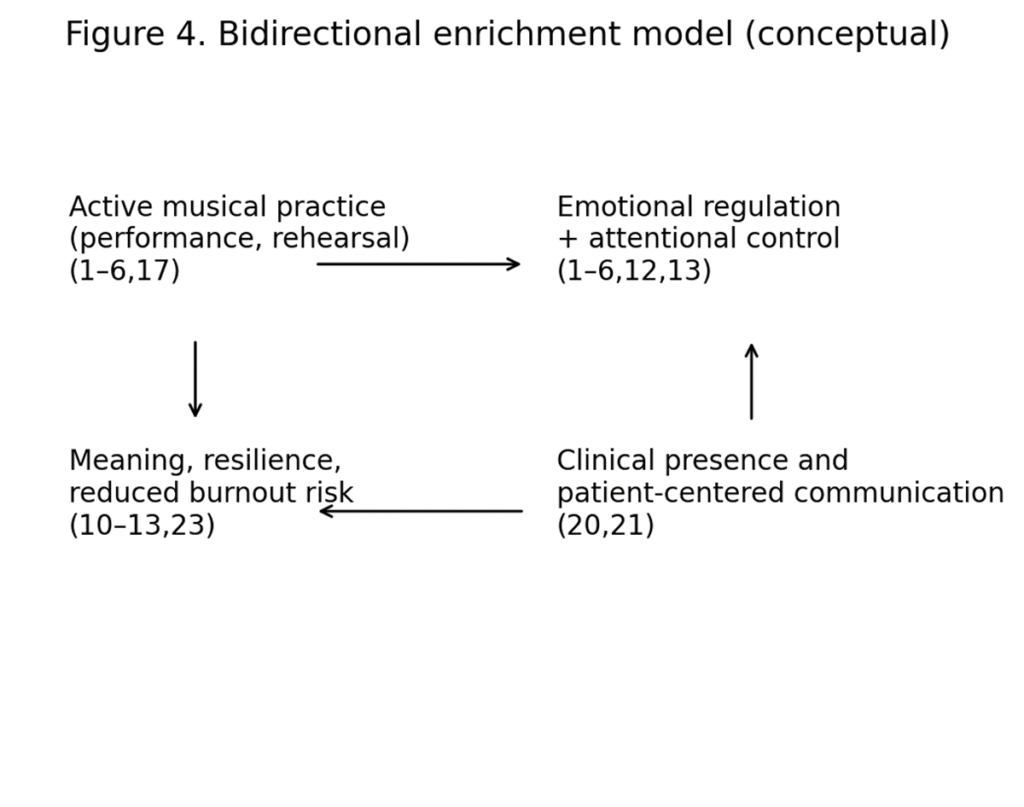
The author sums up his proposal as a bidirectional enrichment model: music strengthens the doctor’s emotional regulation, and oncology, in turn, brings depth and meaning to their musical performance.
What still needs to be proven
The paper itself acknowledges its limitations: there is not yet a proven causal link between a doctor’s musical practice and better patient outcomes. It therefore proposes specific lines of research, such as studies comparing burnout rates and empathy scores between physician-musicians and non-musicians, or trials of music programmes for oncology teams.
Bibliografía
- Koelsch S. Brain correlates of music-evoked emotions. Nat Rev Neurosci. 2014;15(3):170-80. https://doi.org/10.1038/nrn3666
- Salimpoor VN, Benovoy M, Larcher K, Dagher A, Zatorre RJ. Anatomically distinct dopamine release during anticipation and experience of peak emotion to music. Nat Neurosci. 2011;14(2):257-62. https://doi.org/10.1038/nn.2726
- Decety J, Jackson PL. The functional architecture of human empathy. Behav Cogn Neurosci Rev. 2004;3(2):71-100. https://doi.org/10.1177/1534582304267187
- Shanafelt TD, et al. Burnout and satisfaction with work-life balance among US physicians. Arch Intern Med. 2012;172(18):1377-85. https://doi.org/10.1001/archinternmed.2012.3199
- West CP, Dyrbye LN, Shanafelt TD. Physician burnout: contributors, consequences and solutions. J Intern Med. 2018;283(6):516-29. https://doi.org/10.1111/joim.12752
- Fancourt D, Finn S. What is the evidence on the role of the arts in improving health and well-being? A scoping review. Copenhagen: WHO Regional Office for Europe; 2019.
¿Te ha resultado útil esta noticia?
Comentarios
Sé el primero en comentar.



Deja tu comentario